
Your pet's health needs shift at every life stage, and a 10-week-old puppy and a 12-year-old cat have almost nothing in common at the exam table. The first year is busy by design: vaccines spaced a few weeks apart, parasite treatment, growth checks, and a spay or neuter decision timed to breed and size. Adult pets settle into an annual rhythm of exams, dental care, and baseline bloodwork, and those early numbers give us something to measure against later. In the senior years the focus turns to finding kidney disease, arthritis, and thyroid trouble early, while there is still plenty we can do about them.
Mid-Valley Veterinary Hospital in Orland sees many of our patients from their first puppy or kitten visit through old age, and knowing an animal that long is what lets us catch a change before it turns into a problem. We build wellness and preventive care around the stage your pet is actually in, from that early vaccine series to the lab work that tells us how an older pet's kidneys and thyroid are holding up. When arthritis starts slowing an older dog or cat down, we have real options for their comfort, including Class 4 laser therapy and monthly injections such as Librela and Solensia. If you are not sure what your pet needs at their current age, schedule their next visit and we will map out the year ahead together.
From Puppy Shots to Senior Bloodwork
- The first year brings more visits than any stage after it, with vaccines, parasite treatment, growth checks, and the spay or neuter decision all landing between 8 weeks and 12 months.
- Adult pets need a yearly exam, consistent dental care, and bloodwork drawn while they're healthy. That gives us their own numbers to compare against later.
- Exams move to twice a year around age seven, when kidney, thyroid, and joint changes register in lab work before anything looks wrong at home.
- Stage boundaries flex with breed and size, and a Great Dane reaches senior status years ahead of a Chihuahua born the same week.
Which Changes at Home Mean More Than Just Age?
Slowing down is the change families forgive most easily, and the one most likely to have a fixable cause behind it. Stiffness after a nap, drinking more water, a shift in appetite, restless pacing at night, or weight that moves without a diet change all need an exam rather than a shrug.
Cats hide it better. A cat who's stopped landing on the kitchen counter has usually been sore for months, and a dog taking the porch steps one at a time is saying the same thing.
New vocalizing in the dark, or a pet standing in a corner looking lost, points toward cognitive change. Vision loss looks like hesitation on stairs or bumping into furniture that moved, and sudden blindness is a same-week exam, because high blood pressure and a detached retina often travel together.
While you wait for an appointment, never give ibuprofen, naproxen, or acetaminophen to a dog or cat. They cause stomach ulcers and kidney failure at doses that look small, and acetaminophen is fatal to cats.
How Often Should My Pet Come In at Each Age?
Visit frequency follows the pace of change in the body.
| Stage | Roughly | How often we see them | Main focus |
| Puppy or kitten | 8 weeks to 12 months | Every 3 to 4 weeks, then a spay or neuter visit | Vaccines, parasites, growth, behavior |
| Young adult | 1 to 3 years | Once or twice a year | Dental habits, weight, lifestyle-based vaccines |
| Adult | 3 to 7 years | Once or twice a year | Baseline bloodwork, dental disease, early weight creep |
| Senior | 7 and up, earlier for large breeds | At least twice a year | Organ screening, arthritis, blood pressure, comfort |
Our veterinarians set the schedule around the individual animal. A giant-breed dog may cross into senior planning at six while a lean indoor cat doesn't until ten or eleven.
Why Does the First Year Take So Many Visits?
Immunity, parasite control, tolerance for handling, and basic manners all get built inside these twelve months, and each one is far easier to establish now than to repair in a three-year-old.
Why Are Puppy and Kitten Vaccines Spread Out Over Months?
Vaccinations for puppies and kittens come as a series spaced three to four weeks apart through about sixteen weeks, because the antibodies a newborn absorbs from their mother's colostrum block a vaccine from taking hold until they fade, and every litter fades on its own timetable. Each appointment is also a full physical exam, which is how a heart murmur, an umbilical hernia, or a retained testicle gets found at ten weeks instead of on a surgery day months later.
Do Puppies and Kittens Need Parasite Prevention From Day One?
Most puppies and kittens arrive already carrying something. Roundworms and hookworms cross the placenta or pass through milk. A healthy mother is no guarantee of a clean litter, and those worms can infect people in the household. Heartworm prevention belongs on the list year-round around Orland, where irrigated fields and warm nights keep mosquitoes active, and it matters just as much for indoor-only cats, since there's no approved treatment once a cat is infected.
Monthly preventives then stay on the calendar for life, matched to species, weight, and whether yours is a farm dog or a couch cat.
When Is the Right Time to Spay or Neuter?
The old answer was six months for everybody, and for most cats and small-to-medium dogs that timing still holds. In large and giant breeds, the evidence now favors waiting until the growth plates close, since the hormones that close them also shape joint development and orthopedic risk.
Spaying takes pyometra off the table, a uterine infection that turns into emergency surgery in intact females past middle age, and done early it lowers mammary cancer risk substantially. Neutering removes the risk of testicular tumors and usually calms roaming and marking, which matters on rural property where a wandering dog meets traffic and livestock. We'll set the timing with you before scheduling spay and neuter surgery.
How Do You Teach a Kitten to Accept a Toothbrush?
Dental care works best as a daily habit started young, since most dogs and cats already show signs of periodontal disease by age three, and a kitten who accepts a finger brush at ten weeks will still accept a toothbrush at ten years. Start with handling, not hardware: lift the lip during a lap session, work up to a finger brush, then add an enzymatic pet toothpaste in a flavor they'll chase.
Never use human toothpaste, since the fluoride and xylitol in it aren't safe for dogs or cats. Thirty seconds a side on most days beats one heroic scrubbing on Sunday.
How Much Does Early Socialization Matter?
Socialization for puppies and kittens runs on a narrow window, roughly three to fourteen weeks for puppies and two to nine weeks for kittens, and what a young animal meets then sets their baseline reaction to people, sounds, footing, handling, and car rides for life. Puppies don't have to wait for the last shot: carry them to new places, invite calm vaccinated adult dogs over, and skip the dog park until the series is finished.
Kittens do most of this work at home, where a carrier left open with a blanket inside becomes furniture instead of a threat. Getting your pet used to being handled at this age sets them up for a lifetime of calmer vet visits, nail trims, grooming appointments, and walks to the park. Skip it, and you’re faced with pets who panic and need sedation for basic care.
What Does an Adult Wellness Exam Actually Check?
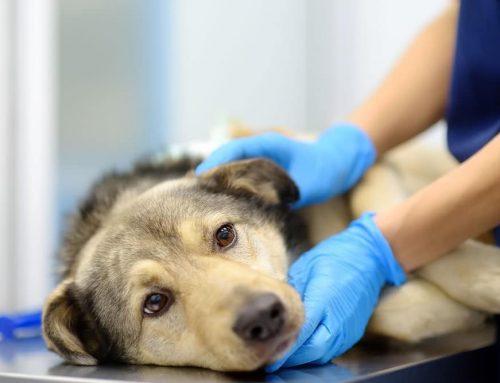
A good adult exam is a nose-to-tail inventory: body condition scored by hand, abdominal organs palpated, heart and lungs listened to on both sides, teeth and gums graded, joints flexed, eyes and ears examined. Ten quiet minutes of hands-on work finds problems that haven't caused a single symptom yet.
The other half happens in the lab. Baseline bloodwork drawn during the healthy years gives us your pet's own normal. A kidney value sitting mid-range means one thing in a dog who has always run there and something else in one whose numbers used to be low.
Why Is Dental Disease Almost Always Worse Than It Looks?
Visible tartar is the least of it. The infection that causes pain and tooth loss lives below the gumline, in the bone and ligament anchoring each root, and none of that can be graded on an awake patient. Full-mouth dental radiographs under anesthesia are the only way to see it.
Most dogs and cats need a professional cleaning every year or two, sooner for small breeds with crowded mouths and later for a big dog with consistent home brushing.
Which Breed Problems Are Worth Correcting in Adulthood?
A flat-faced dog that snores, gags after eating, or runs out of air on a warm walk is showing brachycephalic obstructive airway syndrome, and the narrowed nostrils and overlong soft palate behind it respond best to correction before the airway takes permanent damage.
Entropion, where the eyelid rolls inward and the lashes drag across the cornea, is also worth repairing rather than managing, because corneal scarring doesn't reverse. Hip dysplasia, over- and under-bites, and other problems that come with breed or anatomy are worth correcting when a pet is a young adult, so they don’t have a lifetime of discomfort. The routine surgeries we do here run with anesthetic monitoring and sterile technique from induction through recovery.
Do Vaccines and Parasite Prevention Change as My Dog's Life Changes?
Dogs that swim in creeks, work around livestock, or drink from standing water carry real exposure to leptospirosis, a bacterial infection spread in wildlife urine that damages the kidneys and liver and can pass to people in the household. Cats who go outside may need Feline Leukemia vaccines. Boarding, daycare, and trailhead weekends may add canine influenza or broader tick coverage. A cat who never leaves the living room needs a shorter list. We make every vaccine and parasite prevention plan as an individualized decision.
Why Does Middle Age Bring Weight Gain?
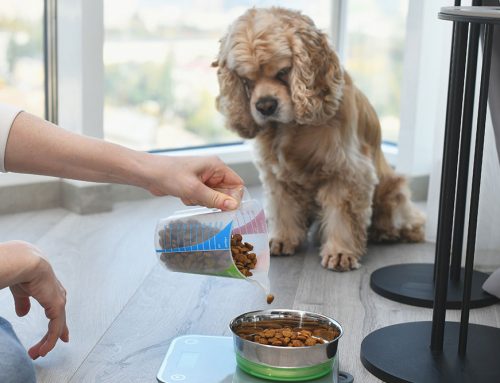
Metabolism slows while the scoop stays the same size. Half a pound a year is invisible day to day and turns into a real body condition problem by age six. That slow creep is the reason the scale comes out at every visit. Extra weight isn't cosmetic either, since it worsens arthritis, strains the heart and airway, and measurably shortens life.
Weight gain paired with a dull coat, low energy, and a dog who keeps finding the warmest spot in the house often points to hypothyroidism, which a thyroid panel confirms and a daily tablet manages for life. In cats the question runs the other way: a cat eating well and losing weight needs lab work, not a bigger bowl. Both of these diseases can pop up in middle age, making those annual blood panels worth it.
What Does Senior Bloodwork Look For?
A senior panel checks the organs that fail quietly: a CBC, a chemistry panel, SDMA for early kidney change, thyroid testing, urinalysis, and blood pressure. Preventive testing for senior pets picks up kidney, liver, and thyroid changes months to years before anything is visible at home. That head start is the reason the recommendation shifts to twice-yearly exams at seven.
Most of those tests run here, and specialized panels go to a reference lab. Blood pressure is the piece families rarely think to request, and hypertension in an older cat is common, silent, and very treatable.
Which Conditions Turn Up Most on Senior Screening?
Most of what a senior screen finds falls into a short list, and nearly all of it stays manageable for years when we catch it early.
| What we find | What families notice at home | What identifies it |
| Chronic kidney disease | Drinking and urinating more, gradual weight loss | Chemistry panel, SDMA, urinalysis |
| Osteoarthritis | Stiffness after rest, fewer jumps, slow stairs | Hands-on joint exam, X-rays |
| Hyperthyroidism in cats | Eating more, losing weight, restless nights | Thyroid level on senior bloodwork |
| Diabetes | Heavy water intake, weight loss despite a good appetite | Blood glucose and urine sugar |
| Cognitive decline | Pacing at night, vocalizing, staring at walls | Exam plus your history of the changes |
| High blood pressure | Sudden vision loss, dilated pupils | Blood pressure reading and eye exam |
Chronic kidney disease turns up in a large share of cats past ten, and because the visible signs appear only after roughly two thirds of kidney function is gone, bloodwork and a urinalysis find it far sooner than the water bowl does. Osteoarthritis is where treatment changes daily life fastest: weight control, joint-supportive nutrition, and Class 4 laser therapy on a sore hip give an older dog months of easier movement back. Monthly injections, Librela for dogs and Solensia for cats, target arthritis pain directly and often do what a daily tablet can't.
How Does Breed Change a Senior Plan?
Breed tells us what to look for first. Large and giant breeds carry higher lifetime cancer risk, so a new lump on a ten-year-old Lab gets a needle and cytology now rather than a recheck in a month. Cavalier King Charles Spaniels carry a high lifetime risk of mitral valve disease, where a soft murmur shows up years ahead of any coughing, and medication started at the right stage pushes back congestive heart failure. Long-backed dogs such as Dachshunds and Corgis stay vulnerable to disc injury into old age, which changes how we talk about stairs and furniture. We’ll recommend the right tests for your pet’s breed and what they are at a higher risk for.
How Will I Know When It's Time?
It's rarely one moment. What families see instead is a gradual shift in what a pet still enjoys, and it's a conversation we'd rather start early than late.
Quality-of-life assessments score what you can watch at home: pain control, appetite, hydration, hygiene, mobility, and whether good days still outnumber bad ones. That turns "when is it time" into something trackable week to week instead of one impossible decision, and starting one commits you to nothing. When that time does come, our team is here to support you on the hardest day with a gentle, peaceful goodbye.
Frequently Asked Questions About Life-Stage Care
Is my indoor-only cat really at risk for anything?
Indoor cats live longer, which means they live long enough to develop the diseases of old age. Kidney disease, hyperthyroidism, diabetes, dental disease, and high blood pressure are all common in cats who have never been outside, and mosquitoes get indoors too, so heartworm prevention still applies. The bigger indoor-specific risk is weight, since a cat with a food bowl and no reason to hunt gains slowly and quietly.
My dog seems perfectly healthy. Can we skip a year?
A year for a dog covers roughly five to seven human years of change. Weight drifts, dental disease advances below the gumline, and early kidney or thyroid shifts sit in the bloodwork long before behavior changes.
Is anesthesia safe for an older pet?
A gray muzzle on its own doesn't make anesthesia unsafe, and we anesthetize plenty of senior patients without trouble. What matters is knowing what we're working with first: pre-anesthetic bloodwork, a current exam, and attention to heart and kidney function shape the drug choices and the fluid plan, with an IV catheter, fluids, and continuous monitoring throughout. Untreated dental pain or an undiagnosed mass usually carries more risk than a well-planned anesthetic.
Let's Plan the Next Stage of Your Pet's Life
Each stage of care rests on the one before it, and that's the reason we'd rather see your pet on a schedule than only when something is wrong. Mid-Valley Veterinary Hospital has cared for a lot of Orland dogs and cats through every one of these stages. Wherever yours is right now, schedule your pet's next visit and we'll set the plan around what they need at this age.