Getting ahead of calf scours comes down to two things: what you set up before the calves arrive, and how fast you move when the first one breaks. Scours kills by dehydration, not by the infection that started it, which is why early fluids save calves and a delayed response loses them. The cause barely changes the fluids a sick calf needs today, but it decides whether antibiotics belong in the plan at all and what you fix before the next group comes through. Guessing wrong shows up in dead calves and in the weight the survivors never put back on.
Scours does not wait for the workday, and Mid-Valley Veterinary Hospital in Orland runs 24-hour service for livestock out of fully stocked trucks, so we can reach a sick calf without you hauling one in. When it moves through a group, we can sample the sick calves and work out what is driving it, with culture through our own microbiology lab when Salmonella is a real possibility, so the antibiotic decision and the changes you make afterward rest on the bug in that pen rather than a guess. We also build herd health programs around calving, from colostrum management and cow vaccination timing to the sanitation and housing changes that keep the calves that follow out of the same trouble. If you have calves scouring now, or you want a plan set before the first one hits the ground, have us out to your place.
The Four Things That Decide Whether a Scouring Calf Pulls Through
- Scours kills through dehydration and acid buildup rather than the organism itself, so fluids come first and the diagnosis comes alongside them.
- A calf who gets enough clean colostrum in the first few hours is much harder to knock down, no matter what's circulating in the pen.
- A calf who can still stand and suck usually recovers on oral electrolytes, while one who's flat, cold, or has lost the suckle reflex needs IV fluids and a call to us.
- When cases cluster, the pen is the problem, and moving cows to clean ground plus sampling untreated calves tells you more than treating one calf at a time.
What Causes Calf Scours?
Scours isn't a single disease. It's a clinical sign that a handful of organisms, and a few management mistakes, can all produce. Beef calf scours follows a fairly predictable age pattern, with E. coli and rotavirus behind most cases in the first week of life and coronavirus, Cryptosporidium, and coccidia showing up in older calves. The pathogen list behind dairy calf scours looks much the same, though shared bottles, buckets, and group pens hand those organisms far more routes from one calf to the next. Age narrows the field faster than anything else, which is why the first thing we ask on the phone is how old the sick ones are.
| Age of the calf | Usual suspects | Why it matters |
| Birth to 5 days | Enterotoxigenic E. coli, rotavirus, septicemia | The youngest calves crash fastest and often have failed passive transfer behind them |
| 5 to 14 days | Rotavirus, coronavirus, Cryptosporidium | Viral and protozoal causes that antibiotics don't touch |
| 2 to 4 weeks | Cryptosporidium, coronavirus, Salmonella | Salmonella calves run fevers and get sick all over, not just in the gut |
| 3 weeks and older | Coccidia, Salmonella, nutritional causes | Straining, dark or bloody manure points toward coccidia |
Mixed infections are the rule, and rotavirus alongside Cryptosporidium in the same calf is routine. Plenty of loose manure has no organism behind it at all: milk replacer mixed too rich, a cold wet week, or a calf who never got enough colostrum will all produce scours on their own, and they set the table for the bugs that follow. Our in-house lab sorts those possibilities apart from samples taken before a calf has been treated, and the answer changes both today's treatment and next spring's plan.
Which Calves Are Most Likely to Break With Scours?
The calves that break are usually born late in the calving season, into a wet or crowded pen, to a thin cow. Every case sits where pathogen dose meets how well armed the calf is, which is why the basics of calf scours are management questions before they're medical ones. Newborn calf health is decided mostly in the first day, by whether the calf lands on dry ground, gets up and nurses quickly, and has a dam carrying enough condition to produce colostrum worth nursing.
- Late-season calves: Pathogen load climbs all season as earlier calves shed, so the last third of the calving window carries the most risk.
- Mixed ages in one group: Two-week-old calves shed heavily and show little for it, and the newborns sharing their ground pay for it.
- Wet, cold weather: A calf burning every calorie to stay warm has less left for immunity, and mud multiplies the dose of everything underfoot.
- A hard calving: A calf who's slow to stand is slow to nurse, and that delay costs more antibody than most people expect.
If scours shows up in the same pen every spring, the pattern itself is the finding, and an on-farm herd evaluation walks the calving ground with you to work out which lever is driving it on your place.
How Much Does Colostrum Change a Calf's Odds?
Colostrum does more for a calf's chances than anything else that happens in the first day. Absorption of immunoglobulins across the gut falls off steeply after the first six hours, which is why a calf needs roughly 10 percent of its body weight in quality colostrum before that window closes, and why colostrum and calf productivity stay linked long past weaning.
Four things decide whether that works:
- Quantity, since a small drink at the right time still leaves a calf short
- Quality, which varies enormously between cows and takes a refractometer or colostrometer seconds to sort out
- Timing, because a calf who nurses at hour ten absorbs a fraction of what the same calf would have at hour two
- Cleanliness, since colostrum collected into a dirty bucket delivers bacteria straight through a gut wall that's wide open to absorption
When a calf falls short, that's failure of passive transfer: too little circulating antibody to handle an ordinary dose of an ordinary bug. It's measurable. A blood sample after the first day tells us whether a calf absorbed what they should have, and individual calf assessments across a handful of calves tell us whether the problem belongs to one calf or to the whole system.
Can You Vaccinate Your Way Out of a Scours Problem?
Vaccination is a strong tool and a poor rescue plan. Vaccination for calf health only pays off when the colostrum reaches the calf in time, so an operation with a passive transfer problem won't vaccinate its way out of a scours season.
A scours vaccine given to the dam three to six weeks ahead of calving works by loading her colostrum with antibody rather than by protecting the calf directly, and cow-calf vaccination programs are built around that timing. Miss it by a month and you've spent the money without moving the antibody.
Oral products labeled for newborn calves can help in operations facing specific organisms. Which ones earn a place, and when they go in, depends on what's been diagnosed on your ground and how your calving window is laid out, so we build preventative vaccination protocols around that rather than a generic calendar.
Do Cleaner Pens and Steadier Feeding Really Cut Scours?
Both do, and they work on opposite halves of the problem: clean ground lowers how much pathogen a calf swallows, and steady feeding keeps the gut from failing on its own. Together they prevent more scours than anything you can buy in a bottle.
Keeping the Calving Ground Ahead of the Pathogens
Pathogen load on the ground climbs the longer a pen has been in use, because every calf born there adds to what's already there. Moving cows that haven't yet calved onto clean ground every week or two keeps each new crop of calves away from what the older calves are shedding, which is the entire idea behind the Sandhills Calving System.
Bedding deep and dry enough for a calf to nest in, drainage that keeps pens from turning into standing manure, and sick calves housed well away from healthy ones are the core of calf housing and bedding that holds infectious pressure down. Two habits are worth building: get pairs out of the calving area once the calf is up and nursing, and do chores for the healthy calves before you handle the sick ones.
Feeding the Cow and the Calf on a Schedule
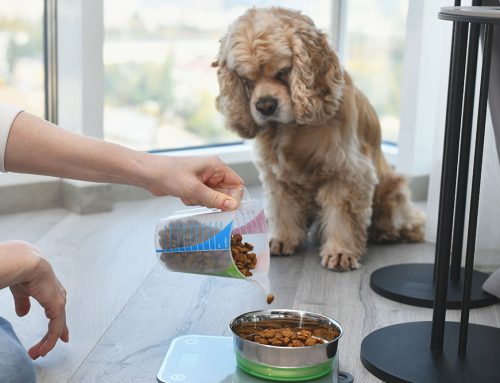
Milk replacer mixed at an inconsistent concentration, or fed at volumes and temperatures that drift from one feeding to the next, produces scours with no pathogen involved at all, one reason feeding young calves rewards a fixed schedule over a flexible one. Same scoop, same water temperature, same clock, every day.
On the beef side, the work starts much earlier. Thin cows and trace mineral shortfalls in the last trimester show up later as weak calves and thin colostrum, which is why prevention of calf scours starts months before the first calf hits the ground. Our doctors split their time between the hospital and farm calls around Orland and Chico, and body condition at the end of gestation is one of the first things we look at when a herd keeps having scours year after year.
How Do You Tell How Sick a Scouring Calf Is?
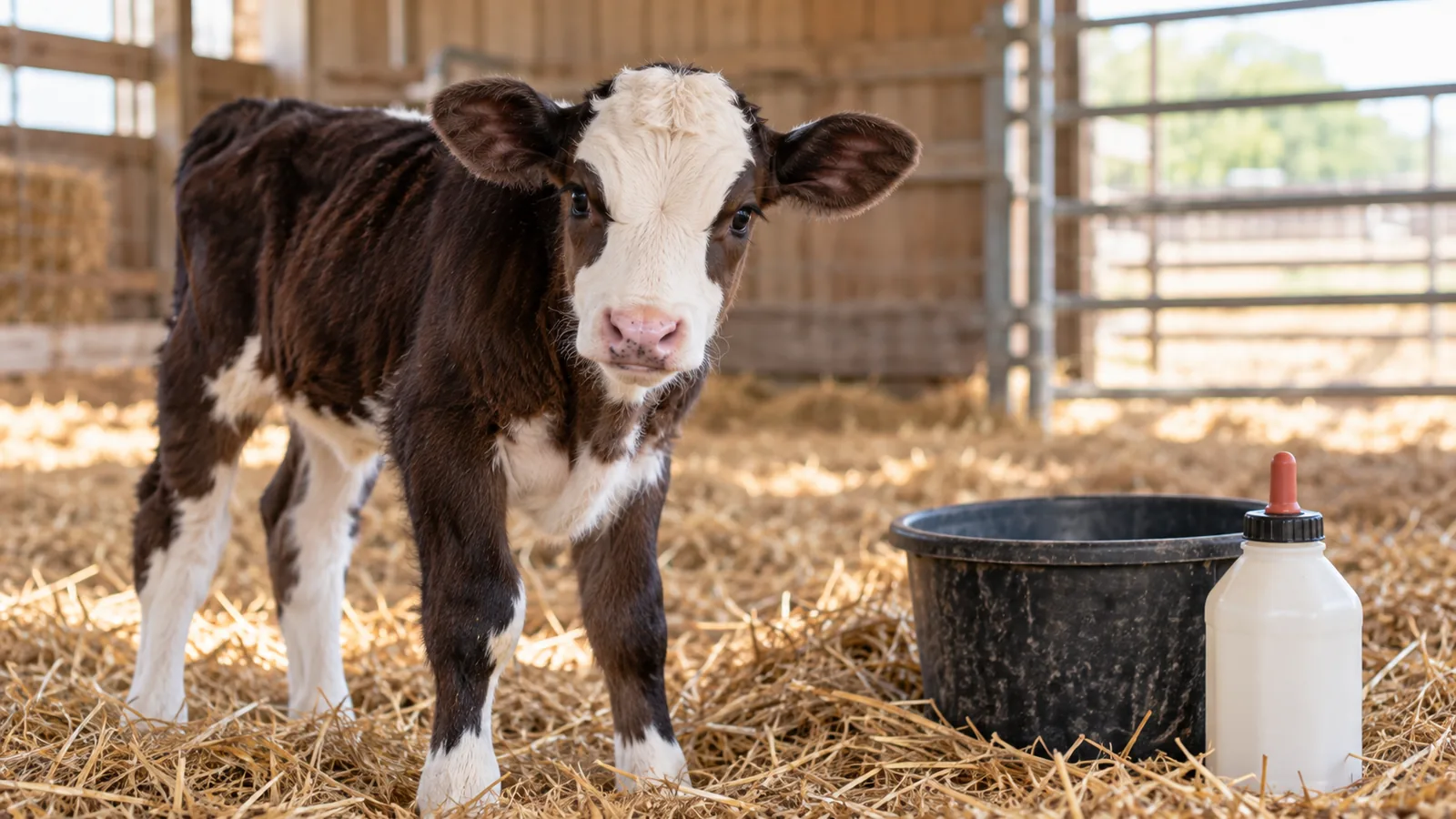
Four things tell you almost everything: whether the calf can stand, whether they'll suck your finger, how sunken the eyes look, and how warm the mouth feels. Manure consistency tells you a calf has scours. Those four tell you how close to the edge they are, and they take thirty seconds to check.
| What you see | Roughly how dehydrated | What the calf needs |
| Up, bright, strong suck, still nursing | Mild | Oral electrolytes between milk feedings, keep watching |
| Standing but dull, slightly sunken eyes, weak suck, skin tent lingers | Moderate | Oral electrolytes more often, and a call to us if there's no improvement in a day |
| Down, cold mouth and ears, clearly sunken eyes, no suckle reflex | Severe | IV fluids and veterinary care right away |
A calf who can't stand or won't suck is in serious trouble whether they started scouring this morning or four days ago. Cold ears and a cold mouth mean circulation is already pulling back toward the core, and that calf won't absorb anything you pour into them. Get them dry and warm while you call us.
What's the Right Treatment for a Scouring Calf?
Fluids come first, every time. A calf who can still stand and suck takes them by mouth, a calf who can't needs them in a vein, and antibiotics only join the plan when a bacterial infection is likely.
Getting Oral Electrolytes Right
A good electrolyte product carries enough sodium to replace what's pouring out, glucose or another energy source to pull that sodium across the gut wall, an alkalinizing agent such as acetate or propionate to correct the acid buildup, and some potassium. Bicarbonate-based products interfere with milk clotting in the abomasum, so acetate-based ones are easier to use alongside milk.
Most scouring calves need electrolytes two to three times a day on top of their normal milk, because a calf loses far more fluid through the gut than a single feeding replaces. Keep the milk coming: pulling calves off it costs them the calories they need to fight and to stay warm, and current evidence supports feeding both with an hour or so of separation. Don't mix electrolytes into the milk unless the label says you can, and don't reach for leftover injectable antibiotics from the shelf. We put together case-by-case treatment plans that match the product and the schedule to what's moving through your calves.
When Oral Isn't Enough
A calf who can't stand, has lost the suckle reflex, has deeply sunken eyes, feels cold in the mouth and legs, or isn't responding to what's around them has passed the point where anything swallowed will help. A gut that isn't absorbing can't fix a fluid deficit no matter how much goes down the tube.
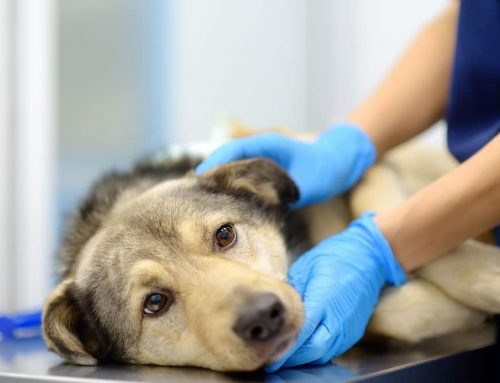
IV fluids correct dehydration and acidosis in hours rather than days, and we can place a catheter and run them at your place. Timing decides the outcome here: calves treated early often stand up and start nursing the same day, and calves treated after a flat night do far worse. Call us as soon as a calf goes down, day or night, instead of waiting to see whether tomorrow looks better.
Where Antibiotics Fit, and Where They Don't
Most scours is viral or protozoal, and antibiotics do nothing for rotavirus, coronavirus, or Cryptosporidium. They earn their place when a bacterial infection is confirmed or strongly suspected, which usually means a calf with a fever, blood in the manure, or signs that the infection has moved past the gut into the bloodstream. Make that decision with us rather than from the medicine cabinet, both because the wrong drug delays the right treatment and because Salmonella changes how you handle the rest of the group.
What Do You Do When Half the Pen Is Scouring?
When cases stack up in the same week or the same pen, you have a herd problem rather than a string of individual ones, and treating them one at a time won't get ahead of it. Keep the sick calves hydrated, then work out what the pen is doing to the calves who haven't broken yet.
A useful investigation moves through four steps.
- Write down the age of every affected calf, since age narrows the likely organism faster than anything else.
- Collect fresh manure from calves who haven't been treated, because antibiotics and electrolytes both muddy what a sample can tell us.
- Walk the calving area and look honestly at bedding, drainage, stocking density, and how long that ground has been in use.
- Put temporary breaks in place: split age groups, move the cows who haven't calved onto clean ground, and set up a spot for sick calves well away from the rest.
Our veterinarians work plenty of herds through calving season, and the outbreaks that end quickest are the ones where somebody called while the samples were still worth taking.
What Cattle Producers Ask Us About Scours
How Long Does It Take a Calf to Bounce Back After a Bad Case?
Manure usually firms up over three to seven days once fluids are keeping ahead of the losses, though calves hit by Cryptosporidium often stay loose longer. The bigger cost is invisible: a calf who scoured hard can carry the setback in weaning weight for months, which is the real argument for catching them on day one rather than day three.
My Calves Recovered on Their Own. Do I Still Need to Know Which Bug It Was?
For those calves, you don't need to know. For the next fifty, you do. The organism decides what you change: rotavirus points at colostrum and dam vaccination timing, Cryptosporidium points at sanitation and pen rotation, and Salmonella changes how you handle sick calves and who else is at risk. Sampling during a mild year costs very little and tells you what to build the program around before a hard year shows up.
Is a Scouring Calf a Risk to the People Handling Them?
Some causes are. Cryptosporidium and Salmonella both infect people, and calf scours is a well-documented source of household illness, particularly in kids, pregnant women, and anyone with a weakened immune system. Gloves, dedicated boots, and washing hands before you eat or head inside handle most of it. If somebody at home falls into a higher-risk group, keep them out of the sick pen until we know what's circulating.
Building a Scours Plan Before the Next Calf Hits the Ground
Colostrum, vaccine timing, clean ground, and steady feed each move the odds a little, and stacked together they move them a lot. When a calf does break, moving fast on fluids is what saves them.
Every calving ground carries its own risks, and the plan that works has to start with your pens, your cows, and your calving window rather than a general recommendation. Get a herd health visit on the calendar with Mid-Valley Veterinary Hospital before the next group starts calving, and we'll build it with you.